

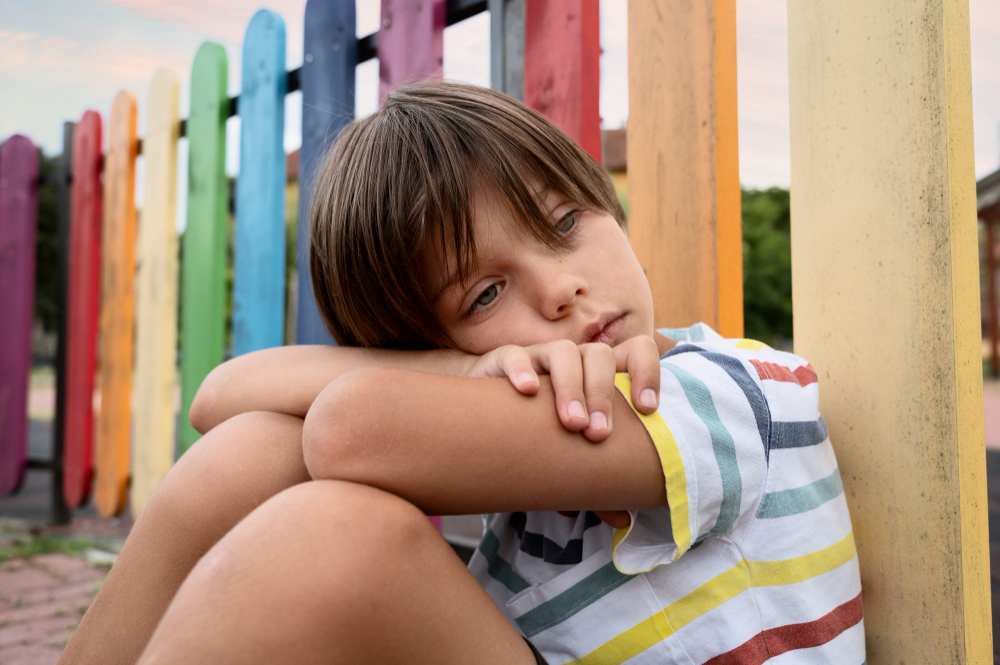
Why Children Struggle to Express Their Feelings
Behavior Is Often Communication
Children experience emotions just as deeply as adults do — but they don’t always have the language, emotional awareness, or cognitive skills to express what they’re feeling. As a result, their emotions often come out through behavior rather than words.
When a child acts out, shuts down, becomes defiant, overly emotional, or withdrawn, it’s easy to focus on correcting the behavior. However, many of these behaviors are not signs of “bad behavior,” but rather signals that something emotional is happening beneath the surface.
Understanding why children struggle to express their feelings is an important step toward supporting their emotional development and overall well-being.
Why Emotional Expression Is Hard for Children
Children are still learning how emotions work. Unlike adults, they may not yet understand what they’re feeling, why they’re feeling it, or how to communicate it appropriately.
Some common reasons children struggle to express emotions include:
-
Limited emotional vocabulary: Young children may only know basic words like “mad,” “sad,” or “happy,” even when their emotions are more complex.
-
Developing brains: The parts of the brain responsible for emotional regulation and impulse control are still developing.
-
Fear of consequences: Some children worry that expressing emotions will lead to punishment, rejection, or disappointment.
-
Overwhelming feelings: Big emotions can feel confusing or scary, making it hard to put them into words.
-
Environmental factors: Stress at home, school pressure, changes in routine, or family transitions can intensify emotional struggles.
When children don’t have the tools to express emotions verbally, they often communicate through actions instead.
Behavior as a Form of Communication
Children communicate emotions through behavior long before they can explain them. Acting out, tantrums, withdrawal, irritability, or sudden changes in mood can all be ways a child is saying, “Something doesn’t feel right.”
For example:
-
A child who becomes aggressive may be expressing fear or frustration.
-
A child who withdraws may be experiencing sadness, anxiety, or overwhelm.
-
A child who seems “defiant” may be struggling with a lack of control or emotional safety.
Viewing behavior as communication shifts the focus from punishment to understanding — and that shift can make a powerful difference.
The Role of Child Therapy
Child therapy provides a safe, supportive space where children can explore their emotions in ways that feel natural to them. Through play, art, storytelling, and age-appropriate conversation, therapists help children identify, name, and express their feelings.
In therapy, children can:
-
Learn emotional vocabulary
-
Develop coping skills for big feelings
-
Improve emotional regulation
-
Build confidence in expressing needs
-
Feel understood without judgment
Therapy also supports parents by helping them better understand their child’s emotional world and respond in ways that foster connection rather than conflict.
Supporting Emotional Growth at Home and School
When children learn how to express emotions in healthy ways, the benefits extend beyond therapy sessions. Emotional skills improve relationships, academic performance, and self-esteem.
With the right support, children can learn that emotions are not something to fear or suppress — they are something to understand and work through.
Parents, caregivers, and educators play a key role in reinforcing these skills by:
-
Validating feelings rather than dismissing them
-
Encouraging open conversations about emotions
-
Modeling healthy emotional expression
-
Creating consistent, emotionally safe environments
Early Support Makes a Lasting Difference
Emotional struggles in childhood don’t automatically disappear with age. When emotions remain unexpressed or misunderstood, they can surface later as anxiety, behavioral challenges, or difficulty in relationships.
Seeking support early helps children build emotional resilience and healthy communication skills that will serve them throughout their lives.
At Redeem Wellness, we believe that understanding a child’s emotions is just as important as addressing their behavior. Child therapy offers children the tools they need to grow emotionally, connect more deeply, and thrive both at home and at school.