

Therapy That Fits Real Life
Why Accessible Mental Health Support Matters More Than Ever
Life moves fast. Between work responsibilities, family obligations, long commutes, school schedules, travel, and daily stress, many people struggle to find time to care for their mental health. Even individuals who want support may delay therapy simply because it feels difficult to fit into an already overwhelming schedule.
This is one of the reasons online therapy has become such an important and effective option for mental health care.
Online therapy offers flexible, secure, and accessible support for individuals, couples, and families — helping people prioritize emotional well-being without sacrificing the realities of everyday life.
What Is Online Therapy?
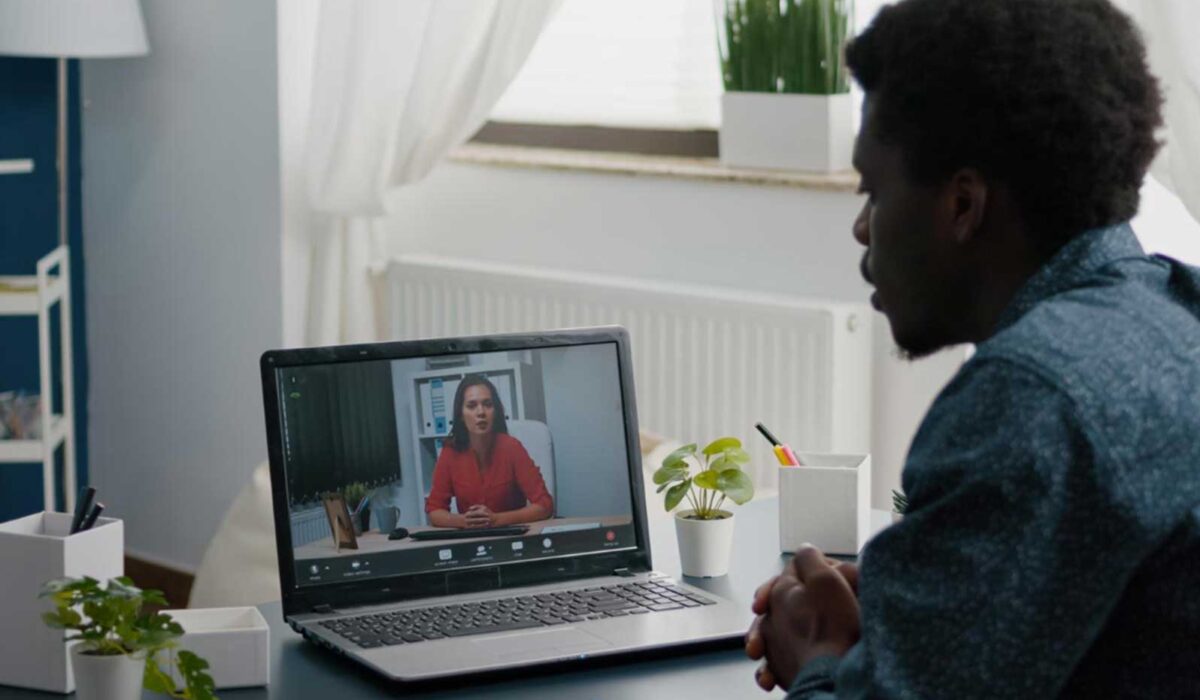
Online therapy, also called virtual therapy or telehealth therapy, allows clients to meet with licensed mental health professionals through secure video sessions from wherever they are.
Rather than traveling to an office, clients can attend sessions:
- From home
- During work breaks
- While traveling
- From another city or location within approved areas
The therapeutic process remains the same — the only difference is the format.
Why Accessibility Matters in Mental Health Care
One of the biggest barriers to therapy has always been accessibility. Many people postpone seeking help because of:
- Busy schedules
- Transportation difficulties
- Long commutes
- Childcare responsibilities
- Mobility limitations
- Geographic distance from providers
Online therapy helps remove many of these obstacles, making consistent mental health care more realistic and sustainable.
When support becomes easier to access, people are more likely to stay engaged in the therapeutic process and prioritize their emotional well-being long term.
The Benefits of Online Therapy
Virtual therapy offers several advantages for modern life.
1. Flexibility
Online sessions allow clients to schedule therapy more easily around work, school, parenting, and personal responsibilities.
2. Convenience
Eliminating commute time reduces stress and saves time, making therapy feel more manageable.
3. Comfort
Many people feel more relaxed opening up from familiar environments such as their home or private office.
4. Continuity of Care
Online therapy allows clients to continue sessions while traveling or relocating, helping maintain emotional support during life transitions.
5. Accessibility for More People
Individuals in underserved or remote areas may have limited access to local mental health services. Virtual care expands those possibilities.
Is Online Therapy Effective?
Research continues to show that online therapy can be highly effective for many mental health concerns, including:
- Anxiety
- Depression
- Stress management
- Relationship issues
- Life transitions
- Emotional overwhelm
The strength of therapy comes from the therapeutic relationship, emotional insight, and consistency of care — all of which can absolutely happen in a virtual setting.
For many clients, online therapy feels just as personal and meaningful as in-person sessions.
Addressing Common Concerns
Some people hesitate to try virtual therapy because they worry it may feel impersonal or less connected. However, many clients are surprised by how comfortable and engaging online sessions can be.
Licensed therapists use secure, HIPAA-compliant platforms to protect confidentiality and privacy. Sessions remain professional, structured, and focused on emotional growth and support.
The goal is not to replace human connection — it’s to make that connection more accessible.
Mental Health Support Should Fit Real Life
Taking care of your mental health should not feel impossible because of logistics. Online therapy helps create space for support within the realities of modern life.
Whether you are balancing work, parenting, travel, or simply a demanding schedule, therapy can still be part of your routine.
At Redeem Wellness, we provide secure and compassionate online therapy designed to meet you where you are — literally and emotionally.
Because support should be accessible, flexible, and built around real life.