

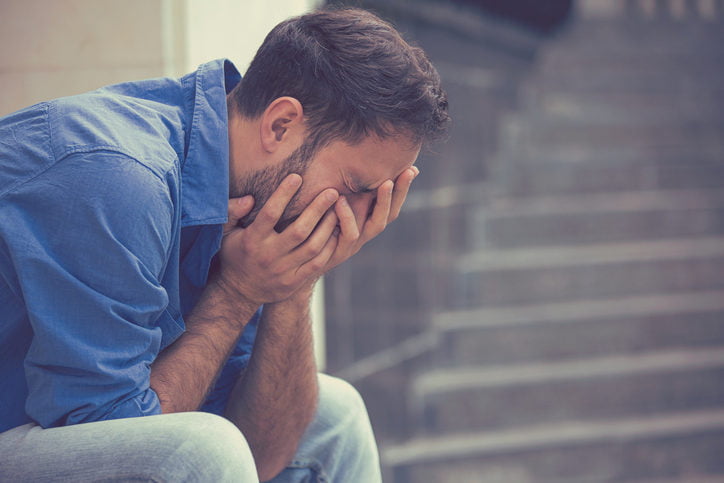
Why Sadness Is Part of Life — And Why That’s Okay
In a culture that often promotes happiness as the ultimate goal, sadness can feel like an unwelcome guest. But the truth is, sadness is a natural and important part of the human experience. Rather than being a sign that something is “wrong,” it often reflects that something meaningful has been lost, changed, or deeply felt.
1. Sadness Reflects Meaning
We grieve because we care. Whether it’s the end of a relationship, the loss of a dream, or a season of transition, sadness shows us that something mattered. It connects us to our values and our emotional depth.
2. Emotional Contrast Helps Us Appreciate Joy
Without sadness, joy would lose its color. Experiencing a range of emotions allows us to fully embrace the highs and lows of life, building gratitude and emotional resilience.
3. Sadness Builds Empathy
When we’ve sat with our own sorrow, we become more compassionate toward others. It reminds us of our shared humanity and fosters deeper, more authentic connections.
4. Avoiding Sadness Can Lead to Numbness
Trying to suppress or avoid sadness often leads to emotional disconnection or even anxiety. Accepting sadness as a valid emotion can free us from the pressure to “stay positive” at all times — and help us process our experiences with greater honesty.
5. Therapy Can Help You Navigate Sadness
Talking with a mental health professional offers a safe space to explore what your sadness is telling you — and how to move through it without being overwhelmed. You don’t need to hide your pain. You’re not alone.
Conclusion:
Sadness isn’t weakness. It’s part of being fully alive. When we allow ourselves to feel it, understand it, and move through it, we open ourselves to deeper healing, connection, and peace.
Feeling overwhelmed by sadness? Therapy can help you explore those emotions with care and clarity.
Book an appointment with Redeem Wellness today.